
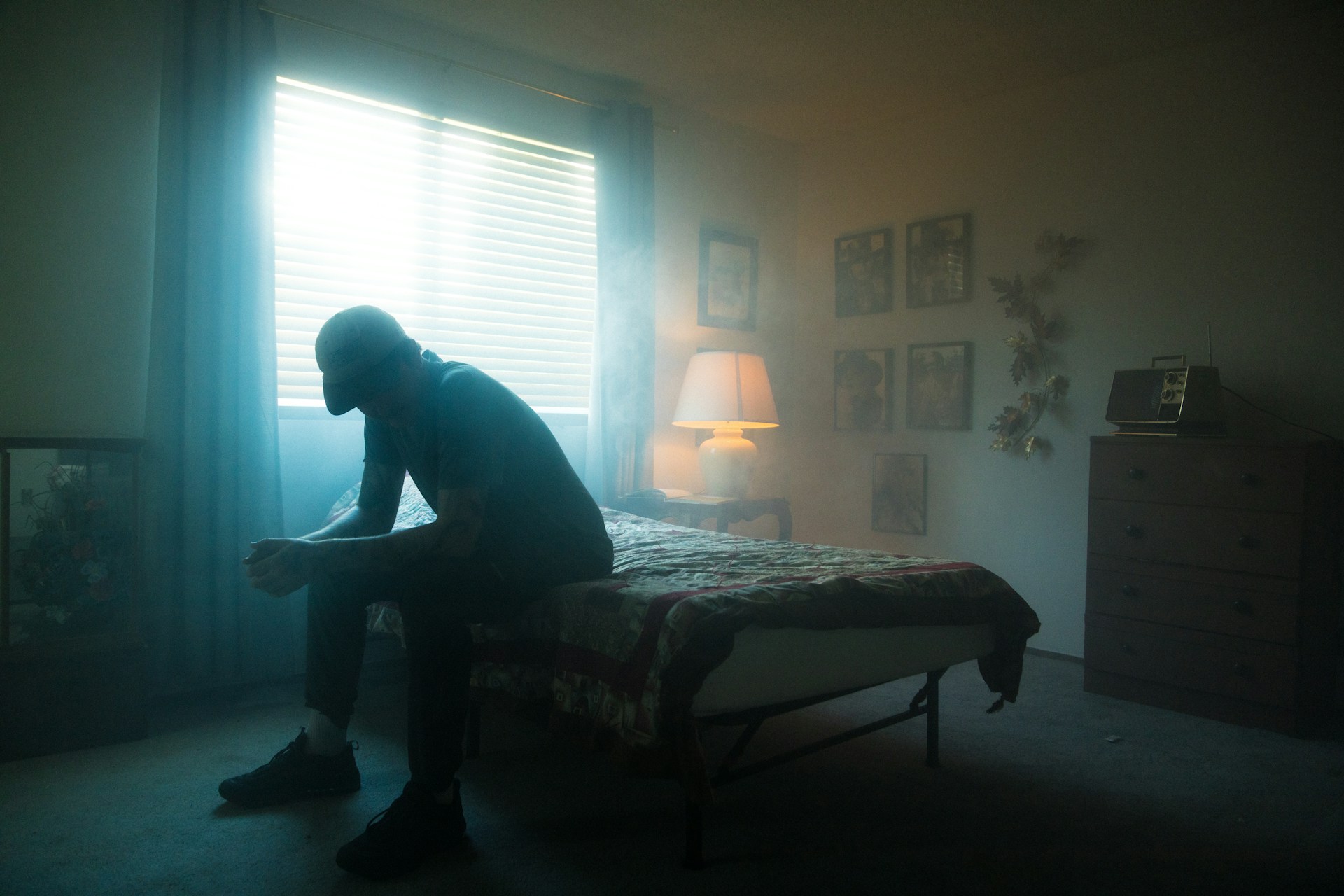
It’s tough to respond in a Christian way when I might get angry, frustrated, and disgusted.
Friday evening I was talking with a good friend about some of the recent events of the past few weeks—specifically the reaction of many people, including within the Christian community. He mentioned that he was angry, and in all honesty, I’ve felt that way too. Add to that our personal challenges in our own lives, and it’s easy to become discouraged, frustrated, and even wonder if God is near. Of course he is, but that doesn’t stop us from sometimes questioning things, including his presence.
Pastor Jeff Durbin released a relatively short recording the other day, sharing some thoughts and comfort during difficult times—times of turmoil, times of waiting and uncertainty, and times of frustration. He referenced Psalm 13, where David was questioning God’s presence in his life. In verses 1–2 he asks:
“How long, Lord? Will you forget me forever?
How long will you hide your face from me?
How long must I wrestle with my thoughts
and day after day have sorrow in my heart?
How long will my enemy triumph over me?”
David had no reason not to trust God, but he was waiting and wondering. I think we’ve all experienced times like this—times when we try to make sense of things but struggle to find any type of answers. This can easily lead to doubt, and with doubt, our minds are filled with “wrestling thoughts” (verse 2). We might think and ask ourselves, We are the good guys. Why does it feel like our enemies are always prevailing?
I recently heard Virgil Walker say something to the effect of: “The world is divided into those that love Christ and those that don’t, and if it wasn’t for God’s grace and mercy, we would be on the same side as those that don’t.” That hit home pretty quickly, reinforcing the reality of God’s grace and mercy. I’m a sinner—someone who has my own struggles, my own mistakes, my own sin. I was lost, wandering and wondering, before I was rescued. Just like I don’t excuse my own sin, I don’t excuse others’, but I do need to search my heart, and as I do, I must go back to God’s saving grace and mercy.
I’ve talked before about the state of the world and things like optimism, pessimism, and realism. Original sin is real, affecting human life and behavior on this earth. But if we look at our lives and the fact that we were saved by God and transformed, we shouldn’t be anything but optimists. If we aren’t optimistic, then our faith is weak, our attempt to control is high, and our doubt in God’s work is tied to a self-centeredness that says, “He saved me, but he can’t save that wretched person.” It’s an arrogance that we have all probably thought or felt before.
Again, this doesn’t excuse evil, it doesn’t justify sin or insensitive responses, it doesn’t minimize hurt, or suggest we ignore standing up and fighting for what’s right. It just reinforces our need to trust God’s sovereignty and know that he is aware and in control.
In Psalm 13:3–4, we hear David asking God for an explanation and to intervene:
“Look on me and answer, Lord my God.
Give light to my eyes, or I will sleep in death,
and my enemy will say, ‘I have overcome him,’
and my foes will rejoice when I fall.”
David knew that this was out of his control and that he had reached the point where he needed to trust God—his ability and his protection.
What do we do when we can’t do any more and the situation is out of our control? We surrender, we trust, and we have confidence in the One who is able:
“But I trust in your unfailing love;
my heart rejoices in your salvation.
I will sing the Lord’s praise,
for he has been good to me” (vv. 5–6).
David knew that he could trust God’s faithfulness even if his feelings were different. He knew who God was and is, and that his only hope, comfort, and strength were from him.
This short chapter voices concerns and asks questions to God. But in the end, the solution always points back to God and his providence. We will be angry, uncertain, and even concerned, and that’s human nature. We aren’t God. We don’t know how he wants to work things out, but we trust that he is aware and that he will work things according to his plans.
Martin Luther once said, “Prayer is not overcoming God’s reluctance. It is laying hold of his willingness.”
Ready to be sharpened like iron?